Are Sportsbook Sponsorships a Blessing or a Curse for Sports Leagues?

Key Takeaways
- Sportsbook sponsorships give leagues serious revenue because they provide access to sports audiences. Smaller leagues heavily depend on it.
- Betting advertising adds more fan excitement and content, but it is often too much, can create conflicts of interest, and some believe it makes the sport too commercial.
- Gambling advertising can normalize betting too much and exploit vulnerable young people and addicts.
- European and Western countries have put severe limits on gambling advertising, the US is new to it, and most Asian and Middle Eastern countries mostly ban it.
- Advertising limits, regulations, responsible gambling tools, independent monitoring, and cooperation with authorities can create safer sponsorship arrangements.
Sports and betting have been becoming harder and harder to separate. Players at fans’ favorite clubs run around with betting company logos on their jerseys, and young fans are exposed to countless advertisements. Profits are at an all-time high, and the growth of entertainment is followed by addiction and suspicion of match-fixing. For leagues, the challenge is not a matter of profits but whether the financial benefits justify the risks that come with them.
Why Sports Leagues Want Sportsbook Sponsors
At first, it appears that professional sports leagues and betting companies are a natural perfect match. Betting companies need the specific audience that sports leagues have, because their revenue is based directly on the results of their sports matches. So sports leagues get a serious source of extra revenue.
Club sponsorship has been legal for decades in many of Europe’s sports leagues. In 2018, the repeal of PASPA also allowed 39 US states to legalize sports betting as well. It gives them a lot of money that some of them desperately need to keep existing. However, it gives other benefits too that aren’t quite as obvious.
Extra Revenue
The main benefit for them is clear. They are paid to help advertise sportsbooks’ offerings. Leagues in the UK, the US, France, and Germany are making a lot of money. The biggest sports league in the US, the NFL, received $132 million for DraftKings, FanDuel, and Fanatics to use its logos and intellectual property in their marketing, and another $30 million in Next Gen stats to power live, in-game prop bets.
These giant bookmakers also spent $573 million on television ads during NFL games, which went directly to television channels like FOX and CBS, but helped the NFL receive bigger-money contracts from them. The NBA earns nearly as much for similar access. MLB makes $98 million, and the NHL gets $45–50 million. Gambling ads on national and local TV channels resulted in bigger contracts for those leagues too.
The Premier League in the UK made about $190 million last year from sports betting companies, although it’s going to make less now that front-of-shirt gambling advertising has been banned by the league and the government. Germany’s Bundesliga makes only $40 million due to strict TV and internet ad bans between 6 a.m. and 9 p.m. France’s Ligue 1 also faces strict restrictions, while sports gambling ads are banned altogether in Spain and Italy, so La Liga and Serie A make nothing from such operators.
Greater Fan Engagement
When fans watch ESPN talk about how many three-pointers Steph Curry is expected to score or the odds of Connor McDavid scoring in the hockey net tonight, this gives fans one more thing to watch. They can support their favorite team and follow whether a player beats the betting expectation. If they do bet on these events themselves, they now have multiple ways to win a game.
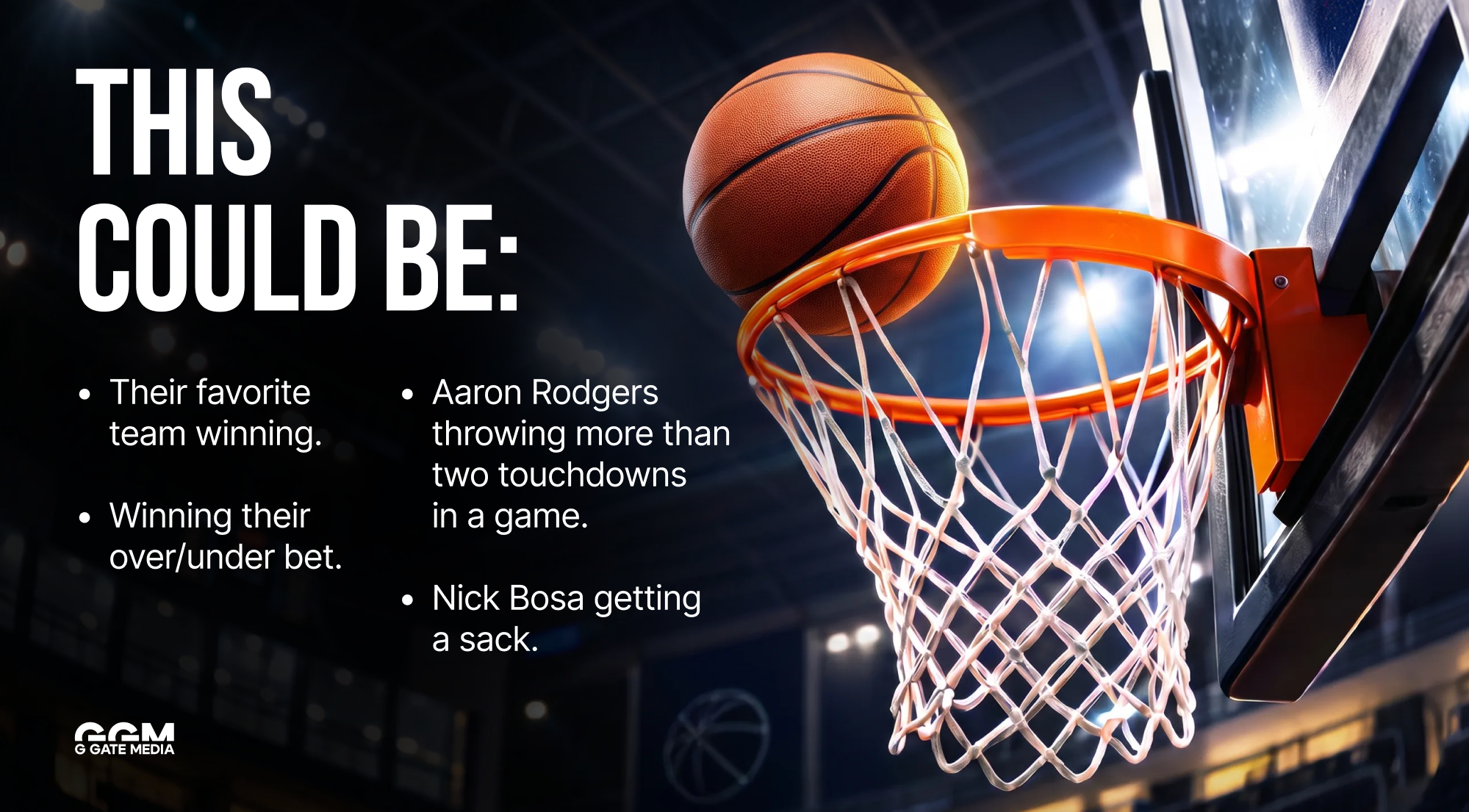
That means more people are spending more time watching, higher TV ratings, and thus bigger TV deals for the sports leagues when contract time comes again. It also usually means more jerseys and other league collectibles will be bought by fans.
New Audiences
People who didn’t care about a certain sports league before but became interested in winning bets in it now have a reason to watch. Someone might not be passionate about darts or esports competitions until they start liking betting on those sports better because they feel they can win. It could be people who weren’t interested in sports altogether but just enjoyed gambling. That raises the number of viewers for the league.
Support for Smaller Leagues
Minor league baseball games that few people watch and leagues like the UFL don’t have many sources of income or sponsors. Many leagues argue they simply wouldn’t have enough money otherwise, like the British Basketball League and even certain clubs in the English Football League, where income is sometimes uneven.
The money that goes to the biggest leagues often also directly supports smaller leagues. The NFL funds youth football, the NBA heavily funds the WNBA, and the popular English Premier League helps fund the EFL and Women’s Super League.
Extra Broadcasting and Digital Content
A league can work with a betting partner to produce previews, statistical analysis, betting-focused shows, podcasts, and social media content. Sportsbooks themselves often have teams dedicated to creating this type of material. So leagues don’t run out of things to talk about to boost enthusiasm to watch an upcoming game.
How Sportsbook Sponsorships Benefit Fans
Fans get to enjoy the excitement that sports leagues profit from. Basically, gambling gives the sports leagues a better entertainment value for the fans. There is more content to watch as there are more total shows for fans to watch that are broadcast for more hours. They get to discuss and show off their sports intelligence, saying how many points which player is going to score. They watch experts talk about over/under bets like rushing yards for running backs.
Thanks to data providers and sportsbooks strengthening technology, fans now get to enjoy reading more advanced stats on screens. Live stats also add more stories to a game than simply which team is winning.
Sportsbook Events
The reason FanDuel and DraftKings became the biggest sportsbooks in the US was that they built popular fan bases out of fantasy sports, which involved legal cash prizes for the winners. So it is innovative entertainment that helped them grow.

Sportsbook Dependence
As European leagues have shown, it is easy for a sports league to get dependent on revenue from gambling operators, but regulations on bookmakers and public attitudes toward them can change quickly. For instance, advertising was recently banned in Italy and Spain in 2018 and 2020. Similar bans have happened in Bulgaria, Belgium, and Australia.
So sports leagues often find themselves in situations where they lose their income sources, and it might not be easy to replace that income once stricter advertising rules are created, sponsorships get limited, or sponsorships can no longer advertise using celebrities or sports stars, such as in Australia.
So leagues cannot necessarily treat sportsbook partnership income as permanently guaranteed. Diversification is important for any business, and sports leagues are no exception. If a league generates sponsorship revenue from many different industries like technology, automotive, financial services, telecommunications, food and beverage, and consumer brands, it has multiple potential sources. It’s an even bigger problem when a league has invested a lot in infrastructure or promo campaigns designed for a sportsbook partnership.
The Sports Integrity Problem
One of the biggest problems that the commissioners of all sports leagues often talk about is that money or power could corrupt the integrity of the game. In other words, one of the dearest aspects of sports could fall under threat—that games which appear perfectly fair, with the chance for either team to win. This is sometimes already damaged by organized criminals, drug lords, bribes, players helping family and friends win bets, and greed.
In situations where bookmakers have close relationships with leagues and teams, there is the theoretical possibility for an event in which a conflict of interest could occur—that a betting company could be given privileged access or influence that would not exist with an ordinary sponsor.
Access to Inside Information
A bookmaker could have a very close commercial relationship with the league and its executives. Depending on the agreement between them, this could potentially give the bookmaker non-public information about competitions, participants, scheduling, injuries, disciplinary matters, and other information that could affect betting markets.
Influence
A betting company could also get influence over betting-related decisions, data, or aspects of how the competition is presented. The more roles the same organization plays, the greater the potential for conflicts.
Commercial Interests Versus Sporting Interests
A close commercial relationship can raise concerns about match-fixing risk. Of course, the opposite would logically be true because betting companies depend on customers believing that competitions are legitimate. But the relationship still creates a potential conflict that regulators want controlled.
How Much Bookmaker Advertising Is Too Much?
There is a big difference between having sportsbooks as sponsors and making it a constant part of the fan experience.
Europe
University of Bristol researchers found that over a single weekend, 27,440 gambling messages are made across TV, radio, and social media for the English Premier League. During live soccer matches, viewers are shown an average of 12.6 gambling messages per minute. The more important the match, the more advertising is shown too. If clubs like West Ham and Aston Villa are shown playing each other, it goes up to 22–30 messages per minute.
Meanwhile, sometimes up to 91% can be visible during live play on electronic signs, stadium structures, and jerseys in the UK. In 2026, the new front-of-shirt gambling ban may not change much. The German Bundesliga has banned these sponsorships, but avoids using them on the front anyway. German law now heavily limits how many minutes on TV can be given to sports betting ads though in addition to blackouts between 6 a.m. and 9 p.m.
USA
Since the PASPA ban ended, sports betting has dramatically shifted from traditional commercial breaks to in-game graphics, rink or court signs, and studios set up right inside stadiums. The University of Bristol found that across 50 hours of randomly sampled live US professional sports broadcasts, 27% of all one-minute intervals contained at least one gambling reference, promotion, or commercial. That’s once every four minutes. This is far less than in Europe, where the main trend is for governments to reduce gambling advertisements.
That said, the United States has only legalized sports betting outside of Nevada since 2018, so time will tell how intense sports betting advertisements may become there. They have already started to allow MLB, NHL, and NBA teams to take direct sponsors and now place corporate logos on their jersey sleeves, like professional athletes in Europe.
Does Betting Damage the Image of Sports?
Sports entertain people on television and help young people stay fit, healthy, and out of trouble. People respect the art form of sports and like to view it as something pure. Sports sponsorships do not automatically damage the reputation of a league, but when betting starts to be shown very often in broadcasts, stadiums, social media, and team branding, it can change the way fans view the sport.
Overly Commercial Image
A fan watching a match may find constant betting ads distracting. Instead of focusing on the players, tactics, and results, attention can focus too much on the odds and betting markets. The more dominant betting conversation becomes, the more the focus changes away from appreciating the sport for what it is—an art form and athletic competition.
Ethical Objections and Brand Conflicts
Some people will object to the morality of betting too. This importantly includes other sponsors. Sports get money from companies in many different industries. Some may not have a problem appearing alongside a sportsbook, while others may think twice to avoid being thought of in people’s minds as being related to gambling.
Social Harms
While the profits are quite easy to measure, the social harm is much more complex to measure, but it certainly has increased the more popular that betting advertisements have become. Betting starts to feel more normal the more that gambling advertising becomes a part of the regular sports viewing experience.
A 2025 review by the journal Addiction found a “dose-response” effect in sports broadcasting. It states that the more advertisements they’re shown, the more they see themselves as gamblers, and they gamble bigger amounts and more often. Many of the ways betting is normalized are through humor, memes, and marketing that hides the addicting nature of gambling.
Addiction Problems
Fans bet in unplanned fashion and impulsively, including those who had no plans to gamble. Research from Toronto Metropolitan University links sports betting advertising to a 50% increase in gambling-related harms and a 44% rise in severe anxiety among young men. Longer-term research by International Gambling Studies shows that this creates a much greater risk of serious financial problems, debt, and family trouble.
For someone having problems stopping gambling, this constant availability of fresh prop bets appearing during a match creates opportunities for those who suffer from problems to continue betting again.
Vulnerability of Young Fans
Fans get exposed to gambling often at a very young age since they are fans of sports leagues long before adulthood. And they are uniquely vulnerable to psychological tactics used in modern sports betting marketing. Their prefrontal cortex is still developing, and this development gap is exploited. Illusions that they will win work especially well on children.
Digital tracking research shows that up to 50% of content marketing impressions created by gambling brands on platforms like X and TikTok were viewed by children under 18. Fans are even more vulnerable to advertisements including sports stars who children look up to as their role models. They are much more easily convinced to bet if their heroes say it is acceptable, appealing, and likely to pay off.
What a Responsible Sportsbook Sponsorship Could Look Like
Sportsbook sponsorships don’t have to be removed from professional sports to deal with the potential problems related to the integrity of the game, gambling harm, and too much exposure. Leagues and governments need to play a role in establishing how betting companies are allowed to operate as commercial partners so that leagues can make money, bettors can enjoy themselves, but the harm can be much reduced.
Creating a Layer of Separation between Leagues and Sportsbooks
A sportsbook sponsor should have no operational authority over sporting decisions.
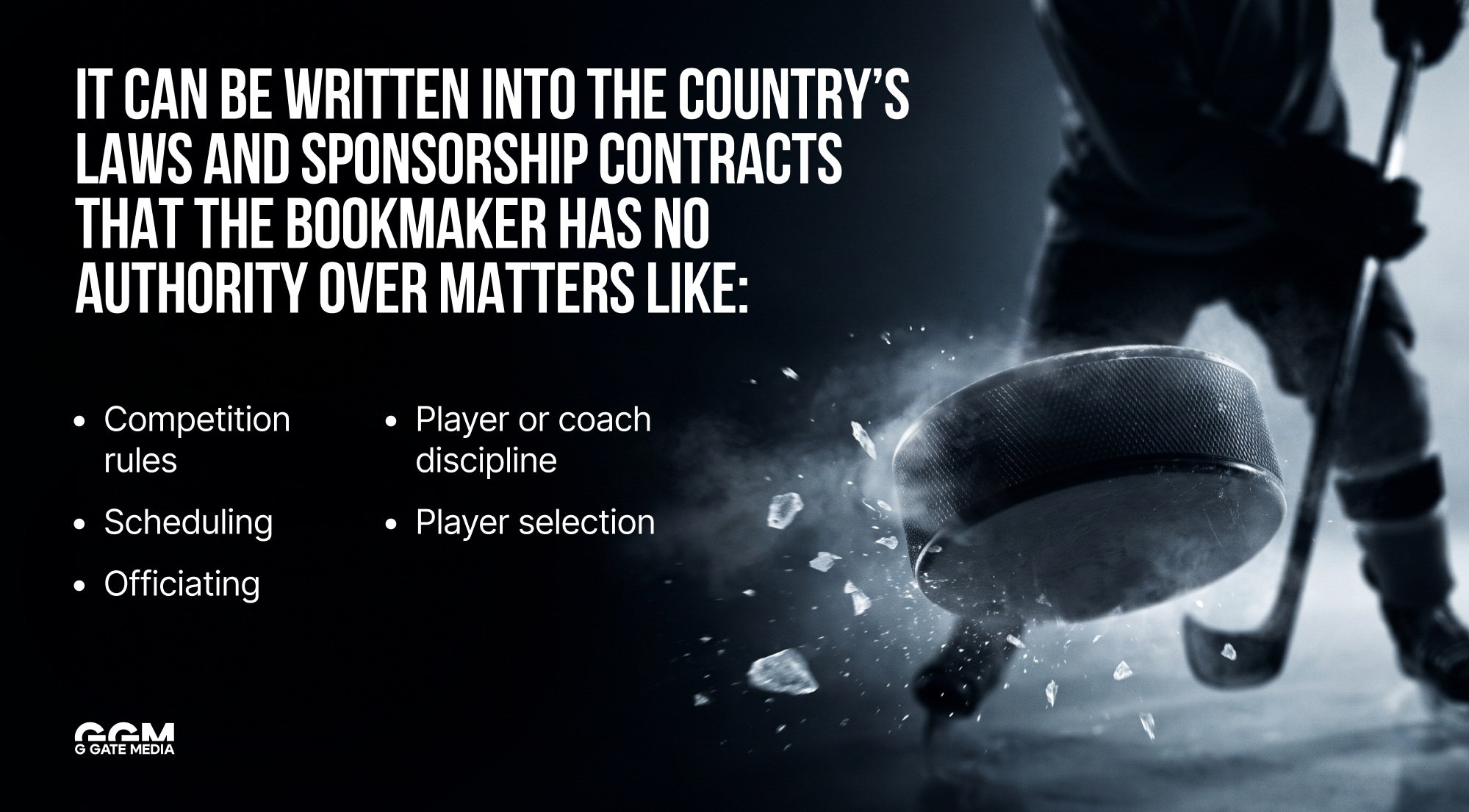
They can also be used to exclude sportsbook representatives from sporting and discipline groups or from having voting rights on competitions. The same applies to sensitive information and the sharing of non-public information. It should be limited only to those who need it for sports or operational roles. Leagues can also establish independent integrity units or compliance officers to investigate suspicious events. Working together with regulators, sports integrity organizations, and law enforcement helps maintain accountability.
Protecting Young Audiences
Sportsbook marketing should be kept away from children and teenagers as much as reasonably possible. Many countries already restrict betting promotions in content designed for young people and containing images and personalities designed to attract children. Digital betting content can have age restrictions based on the account too.
Put Limits on Betting Promotion Volume
Viewers can be told about betting opportunities without being reminded constantly. Some countries put limits on how many betting advertisements can be shown and at what time. It’s been a popular trend to limit this to being only outside of 6 a.m. to 9 p.m. This limits impulsive gambling. It also helps stop sports from being shown too much as a commercial object instead of a competition.
Responsible Gambling Requirements
Sportsbook promotions often have to include responsible-gambling messages and information about tools like:
- Deposit limits
- Betting limits
- Time limits
- Restrictions on time of day
- Required cooling-off period
- Big data financial trouble detectors
- Self-exclusion
There are also addiction recovery groups to help people go in person and get counseling for addiction and the financial problems that can result from it.
Sponsorship Diversification
It is easy to get too dependent on bookmaker sponsorships. That can create great financial volatility for clubs and teams. It can also expose them to improper influence from bookmaker sponsors.
The Future of Sportsbook Sponsorships
Many nations will likely continue to allow sportsbook sponsorships for a long time, but the current trend in Europe and the West is to severely limit how much advertising is allowed, when, to whom, and which types. Asian and Middle Eastern countries typically completely ban it. The US sports betting market is still relatively new to regulation and may remain less strict than the European market.
With Australia experiencing the highest-rated enthusiasm per capita in sports betting on Earth, it has severely limited sports betting advertising in different ways and is considering a complete ban on any such advertising.
Responsible Sponsorship as a Competitive Advantage
Leagues and governments will likely continue to keep demanding ever more specific protections as better methods to take advantage of income without allowing harm to vulnerable people continue to be found. Bookmakers will prepare themselves and their responsible gambling methods in order to attract more consumers and create a better image for sports organizations for fans and governments to see.
Technological Help
To reduce systemic harm, regulatory bodies will continue to require technological interventions designed to identify and stop problematic behavior. In the UK, bookmakers are already required to operate using GAMSTOP, the national online gambling self-exclusion scheme that allows consumers to universally block themselves from all licensed betting platforms. On top of that, all operators must operate advanced machine learning and predictive AI models to analyze player activity in real time.
These watch for rapid increases in deposit frequency, chasing losses during late-night hours, and irrational betting decisions, and create immediate intervention alerts before bettors cause serious financial problems and harm to themselves.
Smaller Clubs Will Keep Seeking Betting Money
It is difficult for smaller clubs to get funding and revenue, and so they will continue to be more vulnerable to manipulation and dependent on bookmaker sponsors. This makes contractual protections and integrity support even more important for them.
Sports Leagues Will Balance Revenue and Reputation
The future of partnerships with sportsbooks will depend on how effectively leagues add protections so they can maintain a clean image of keeping their integrity and identity as athletic competitions. They will logically continue to accept the additional revenue, but the important part is adding limits in risky areas, more regulation, effective structures, and advanced measures for responsible gambling.
Conclusion
Sportsbook sponsorships give leagues an important source of income, entertain fans, and produce more content. However, they have the potential to negatively affect leagues’ integrity, independence, and image, as well as create social harm for young people and problem gamblers. Leagues and governments are now developing the right regulations and systems to balance the good with the bad.
FAQ
Are sportsbook sponsorships good for sports leagues?
They help leagues make a lot of additional money, give them better ratings, and create more content. But they can also damage their reputation and integrity, as well as cause harm to some of their fans.
How much money do sports leagues make from bookmaker partnerships and advertising?
This amount depends a lot on the league, country, and sponsorship agreement. The biggest arrangements, like those with the NFL and the English Premier League, earn those leagues almost $200 million per year. Other big leagues make tens of millions, followed by others that make a few million dollars. Smaller leagues make hundreds or tens of thousands of dollars.
Do bookmaker advertisements result in more or fewer fans watching?
They most often increase TV ratings. This is because fans have more things to watch for besides just the winner of the game. Many bettors also end up watching who aren’t interested in a match but only their bet. Fans also get more content to watch when bets are discussed too.
Can sportsbook association damage a sports league’s reputation?
They can create reputational stains when betting becomes so dominant in the game that it appears bigger than the sport itself. Constant ads make some fans feel like the league is becoming too commercial and cheapening the sport itself.
Do sportsbook sponsors create the risk of match-fixing?
Not automatically. The concern is that close commercial relationships can create potential conflicts of interest, especially if a betting company has access to sensitive information or relationships with people involved in sporting decisions. Strong integrity controls and regulation can help reduce those risks.
How much sportsbook advertising is too much?
There is no universal threshold. Regulators set limits based on market size, public health concerns, and gambling law. Many believe that bookmakers shouldn’t be blamed for anything, while others think they should be able to advertise without constantly appearing on the screen.
How much bookmaker advertising is shown during sports broadcasts?
This depends greatly on the country or province. In some countries like Italy and Spain, it’s illegal for sportsbooks to be advertised in matches at all. In countries like the UK, they’re shown for the entire match, even on players’ sleeves. In countries like Australia, they must be shown only before 6 a.m. or after 9 p.m.