Blask Analytics: Asian iGaming Market Trends

Presenting an analysis of the Asian online gambling market, powered by Blask. Exclusively on G GATE MEDIA.
Asia is one of the most active iGaming regions in the world, but the true dynamics remain hidden. This new Blask report reveals both current trends and the changes in Asian markets in 2026.
In this piece, we discuss regional trends, reveal industry leaders, and examine the specifics of the seven key GEOs – from open markets to jurisdictions where iGaming is utterly forbidden.
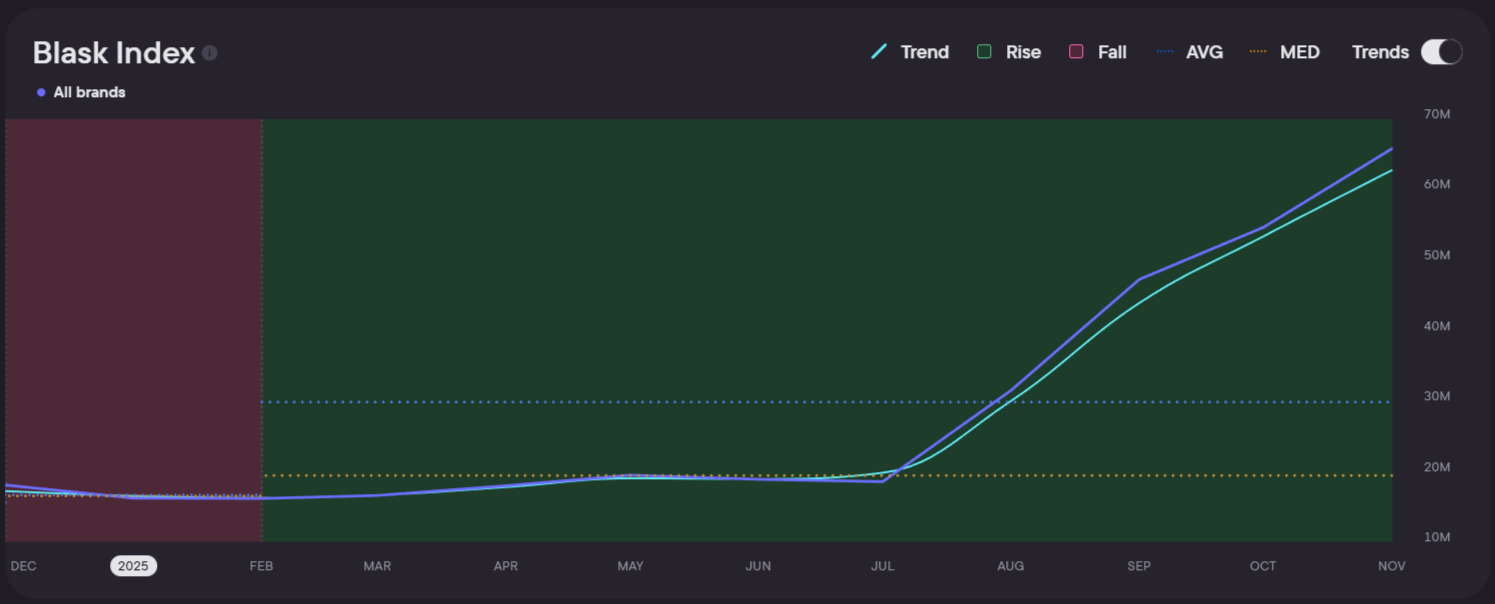
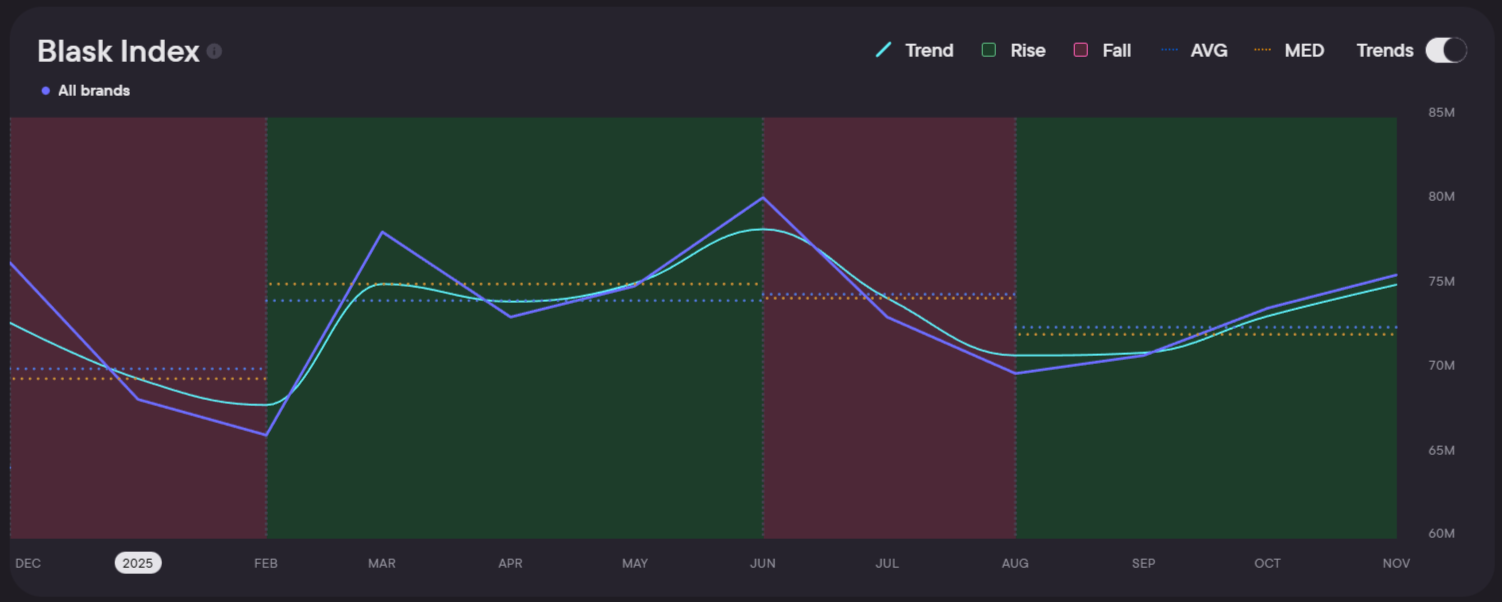
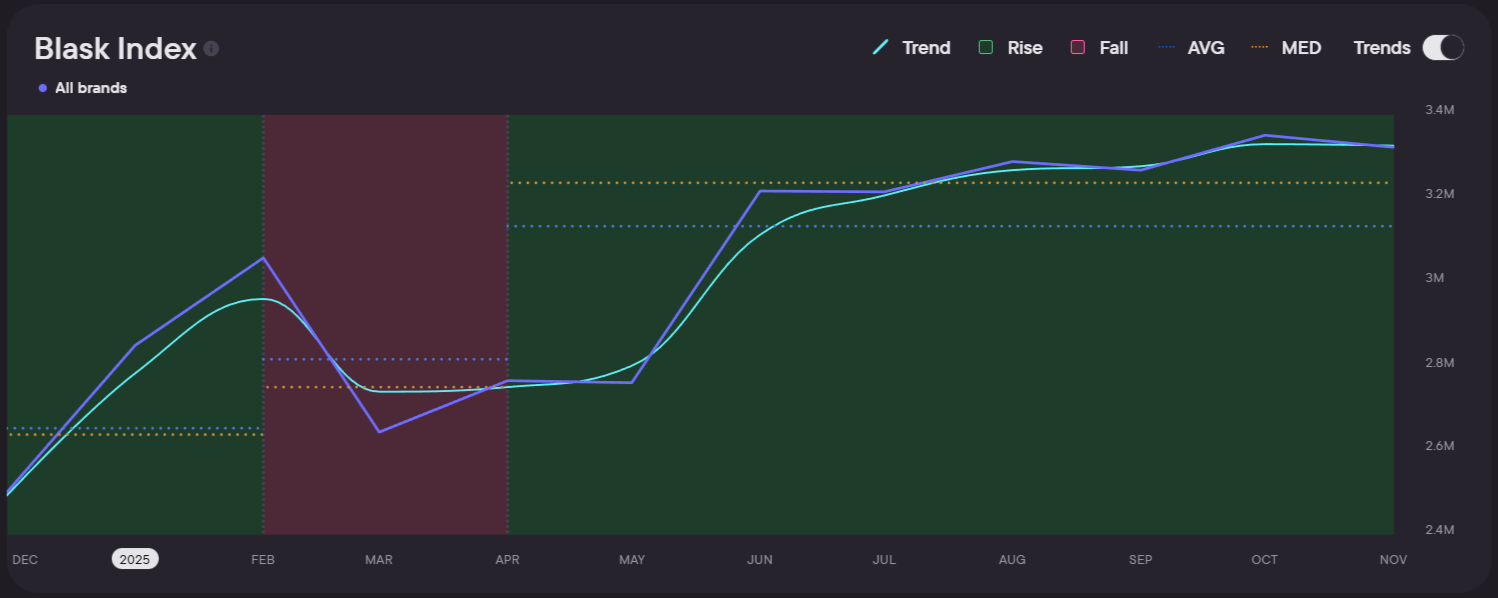
The Blask Index is a metric that measures interest across all gambling brands in a country. It’s based on attributed intent to interact with brands, inferred from user search activity. The chart covers the previous 12 months.
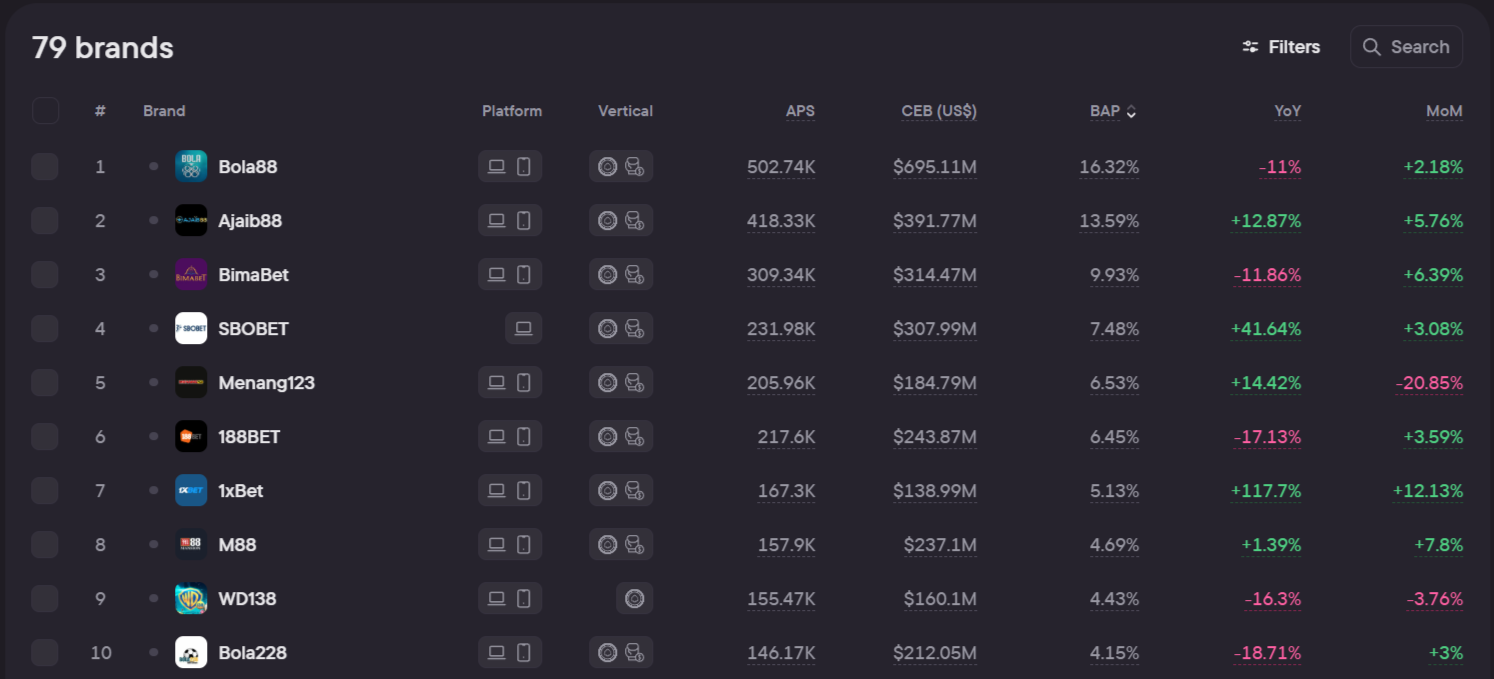
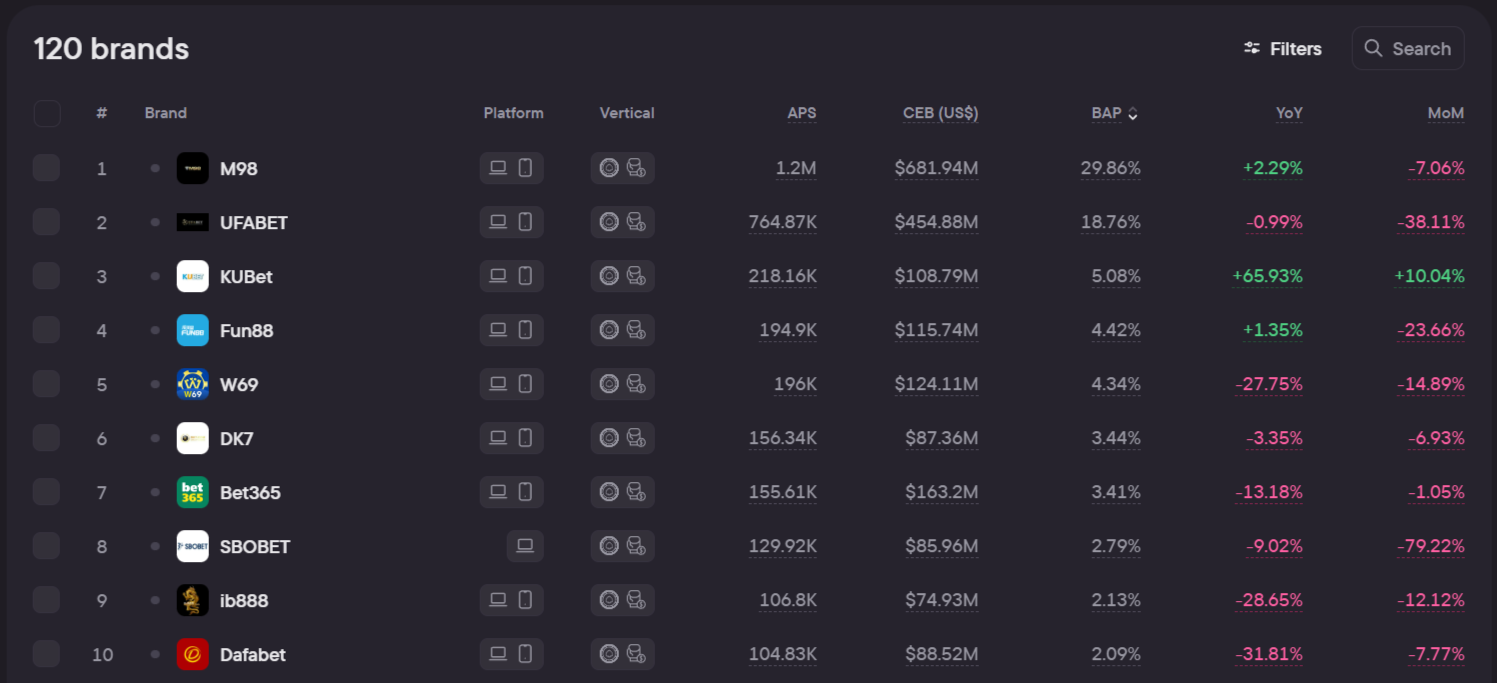
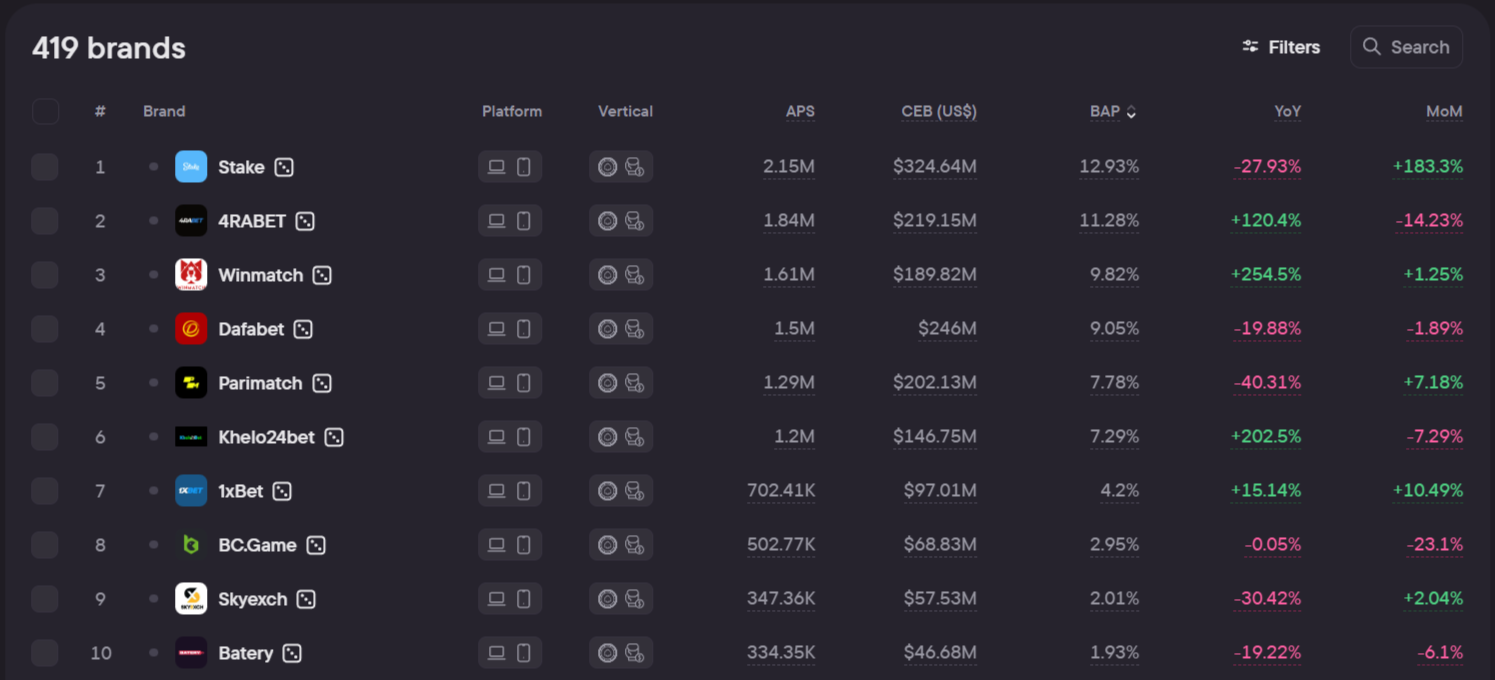
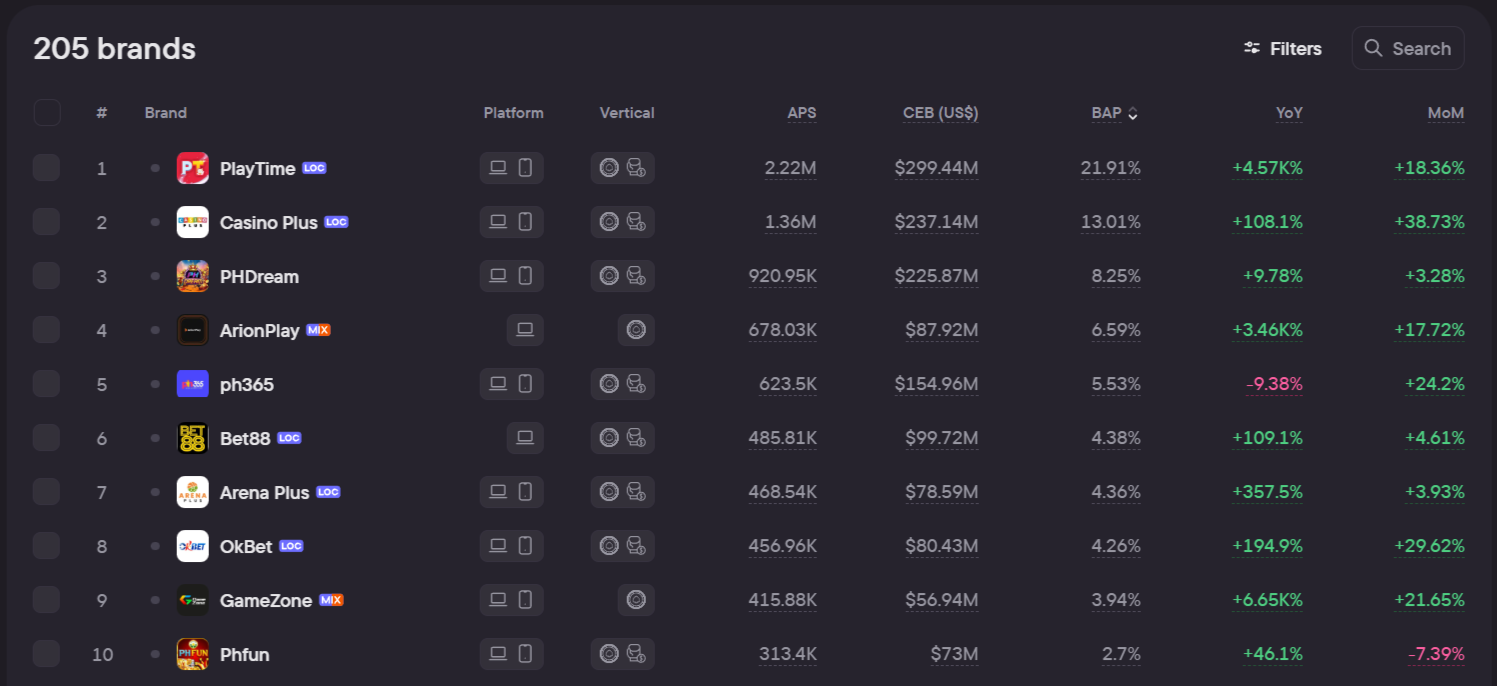
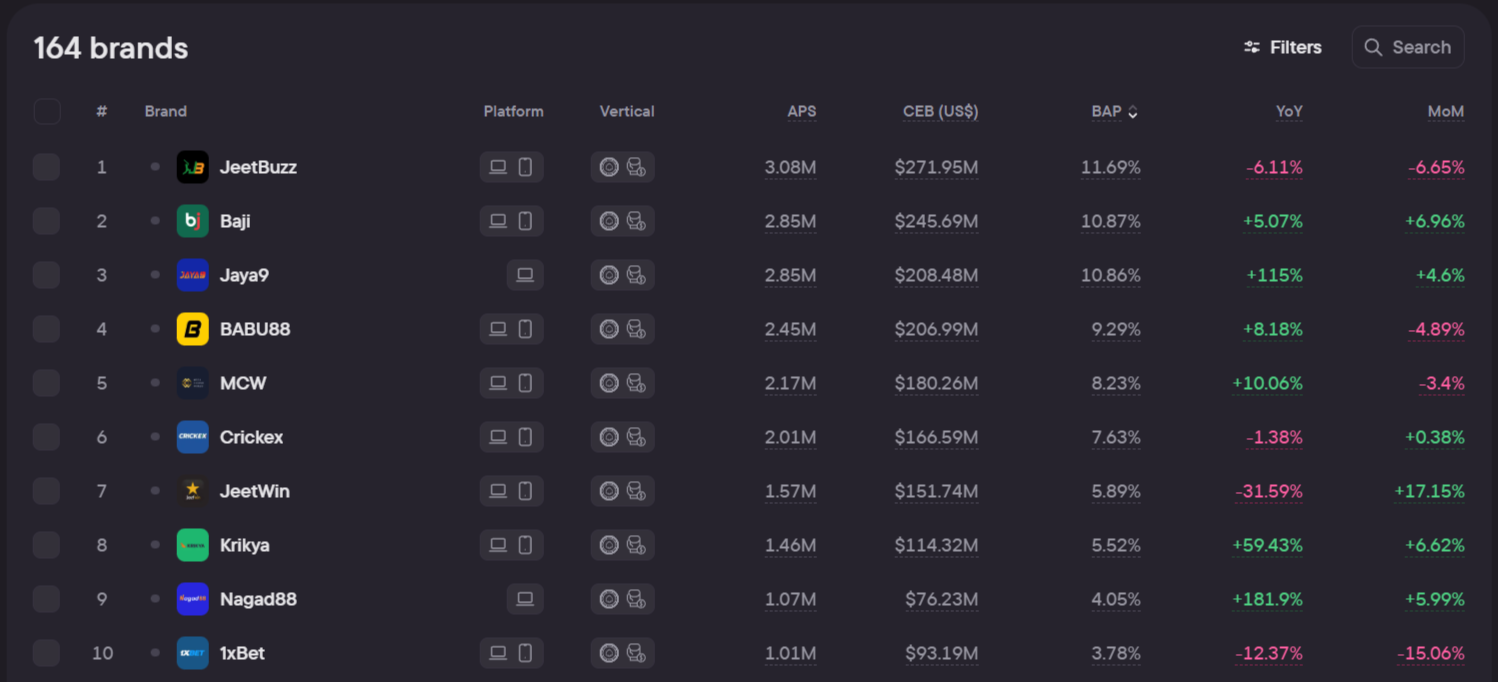
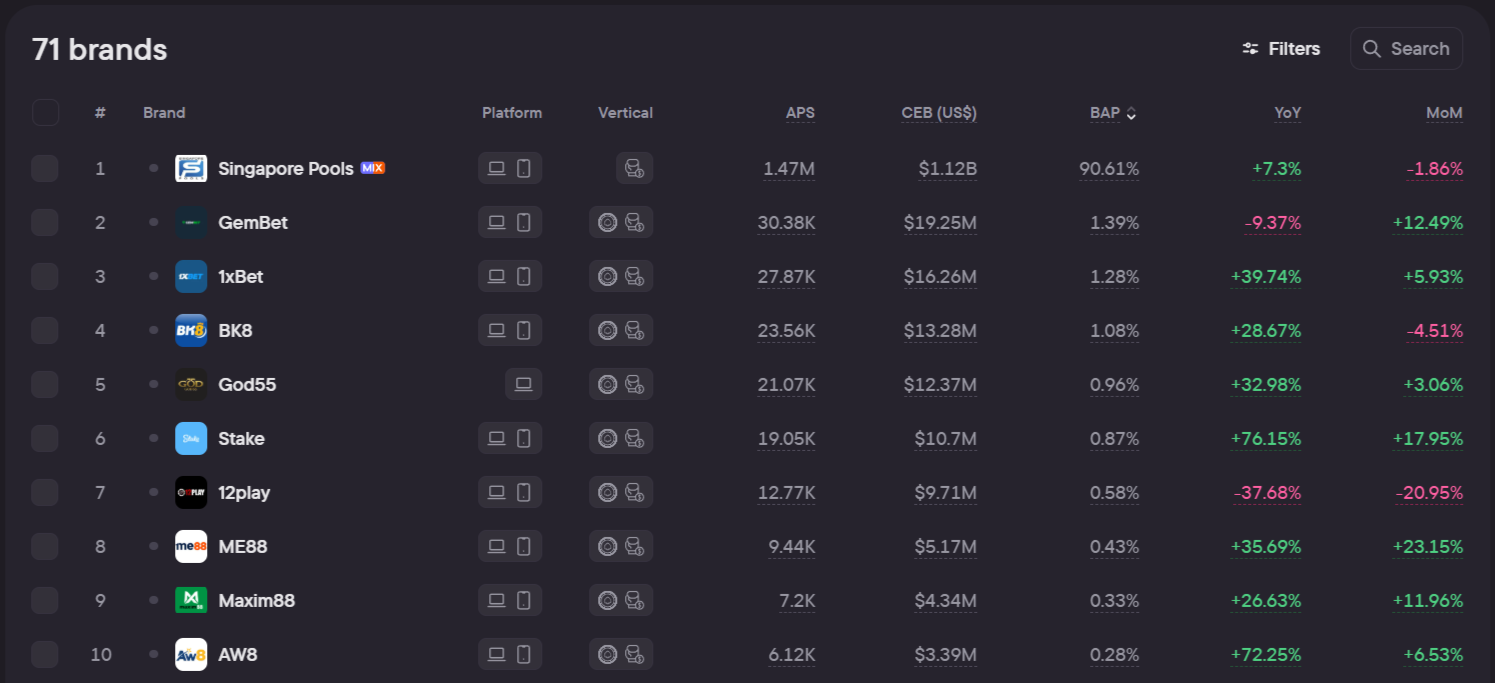
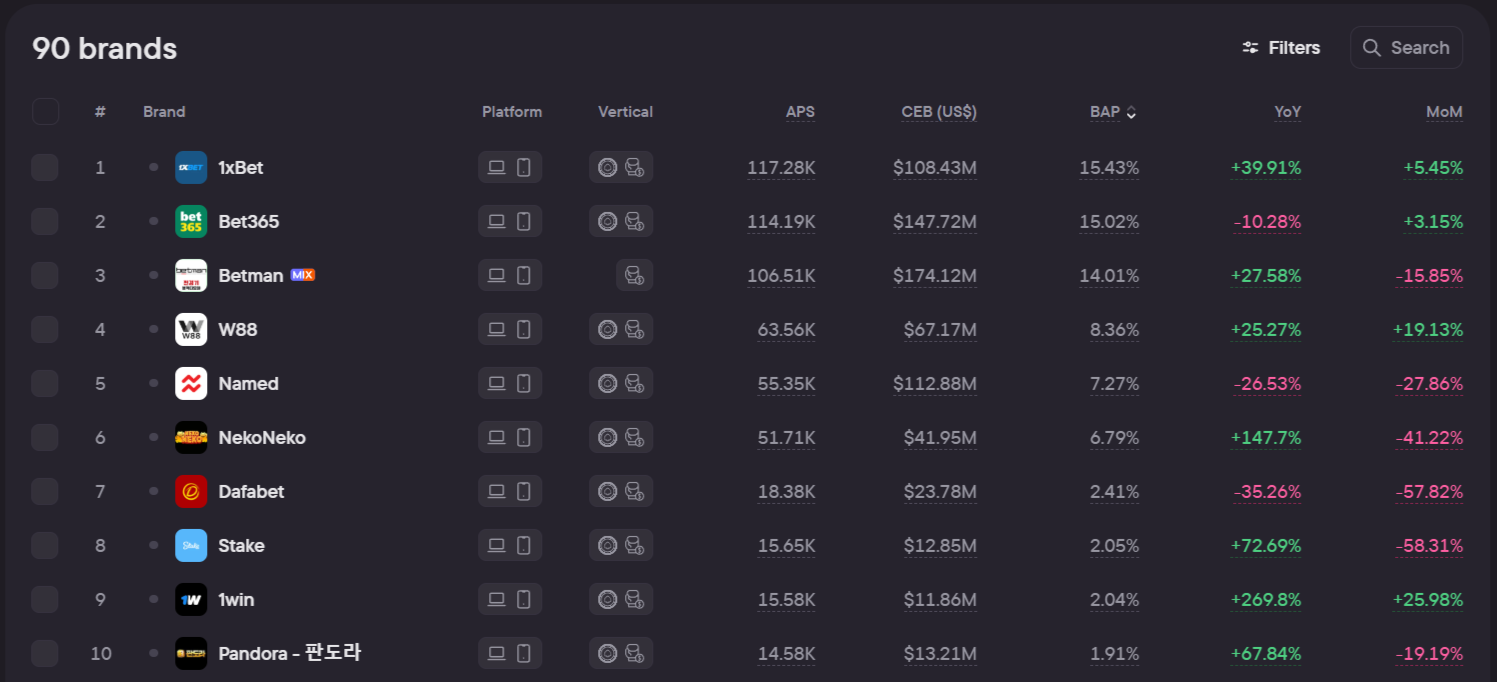
APS is the projected number of customers. It’s calculated based on the number of projected customers for a completed month per brand.
CEB is a forecast of monthly earnings. It’s calculated as the projected monthly earnings per brand for a completed month.
Regional Trends
In 2025, most markets in Asia remain unregulated. For example, Bangladesh and Nepal have zero-tolerance policies for online betting, despite the growing user interest.
Other unregulated countries include:
- Thailand
- Indonesia
- The Maldives
- Japan
- China
- India
Three countries demonstrated the fastest annual growth rate in iGaming:
- The Maldives: +68%
- Nepal: +66%
- The Philippines: +64%
Meanwhile, the Philippines remains the only open and competitive market in Asia. This is evidenced by its leadership in “player interest” – the country is ranked second, right after Bangladesh, ahead of Vietnam and India.
As for CEB, countries doing the best are Indonesia, Thailand, and Vietnam. They rank 11 through 13 worldwide and have a varying number of brands:
- Indonesia: 75
- Thailand: 116
- Vietnam: 207
It confirms that market size does not directly depend on the number of operators.
Thailand and India hold adjacent positions in the CEB rating, with $2.86 billion and $2.54 billion, respectively. While India has 398 brands, Thailand only has 116, which is four times as many brands in India. This shows a much more fragmented, competitive market.
The following countries lead the pack in APS:
- Vietnam
- India
- Bangladesh
They rank 7th–9th worldwide and are seeing a huge influx of new users even as CEB lags.
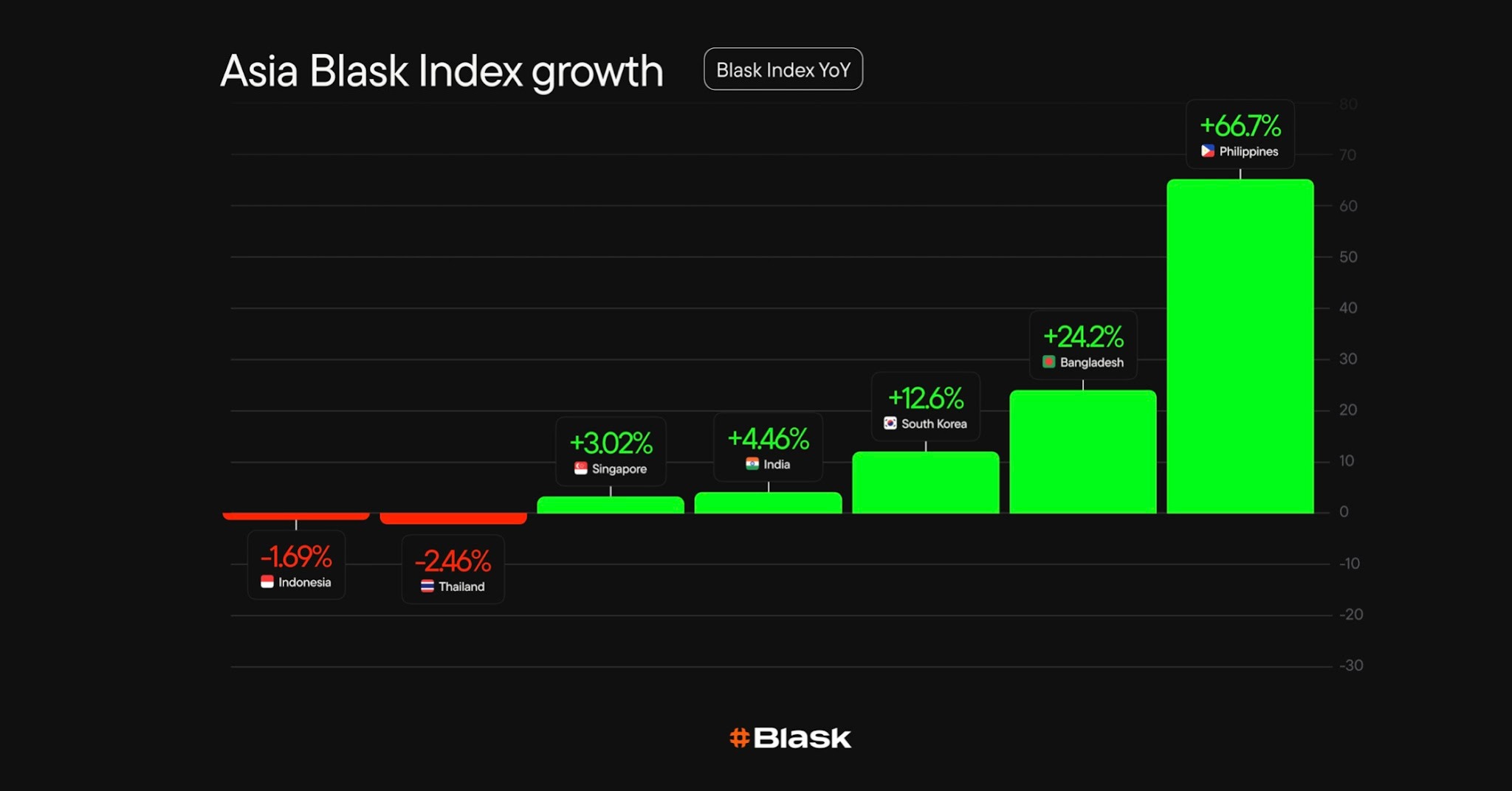
Blask Overview: the Top Seven Asian Countries
Blask removed China from its coverage due to the limited internet access in the country.
- Google is unavailable in the country.
- People only use the local search engine Baidu.
- China restricts access to public data.
The platform doesn’t cover the Hong Kong and Macao gambling markets either.
Indonesia
Overview
- Total operators: 79 (as of December 2025)
- CEB: $3.84 billion
- Gambling status: non-regulated
Since 2024, the authorities have blocked more than 2.4 million URLs and publications related to online gambling. Indonesia keeps fighting the gambling business: authorities have reported millions of illegal gambling content pieces removed. This resulted in a mere -1.7% annual trend.
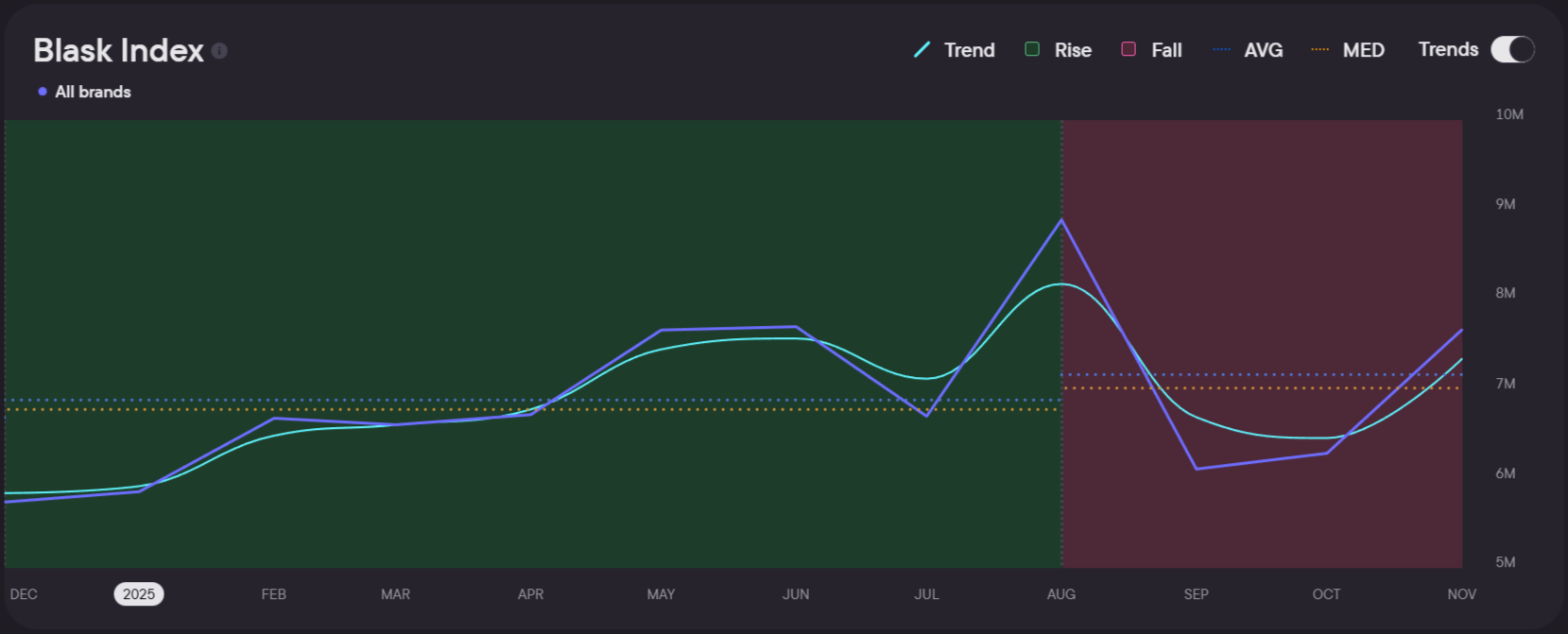
Main conclusion: a high revenue per brand and continuous blockages have created a “rapid adaptation” model. Operators maintain backup domains and promptly update their creatives.
Thailand
Overview:
- Total operators: 120 (as of December 2025)
- APS: 4.74 million
- CEB: $2.86 million
- Gambling status: non-regulated
In 2025, online gambling remains illegal in Thailand. The only exceptions are state-run lotteries and horse racing.
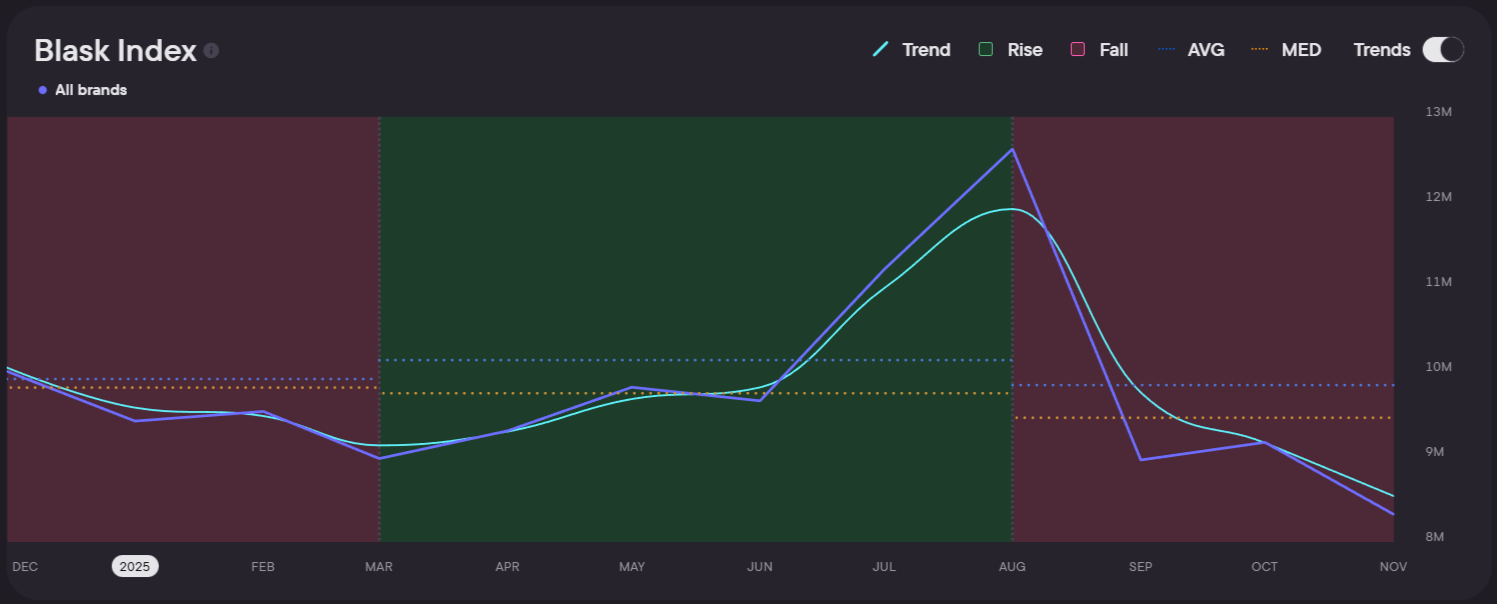
Main conclusion: For now, offshore brands maintain their leadership. If legalization begins, local brands will see increased demand and accelerate projected revenue growth.
India
Overview:
- Total operators: 419 (as of December 2025)
- APS: 17.98 million
- CEB: $2.54 million
- Gambling status: non-regulated
On October 1, 2025, the Promotion and Regulation of Online Gaming Act took effect in India. This law bans real-money online gambling, including fantasy sports, poker, rummy, and lotteries. Meanwhile, esports, social gambling, and educational games are still legal.
Other restrictions include:
- Financial transactions related to online gambling
- All forms of gambling promotion, including the sponsorship of sports events and clubs
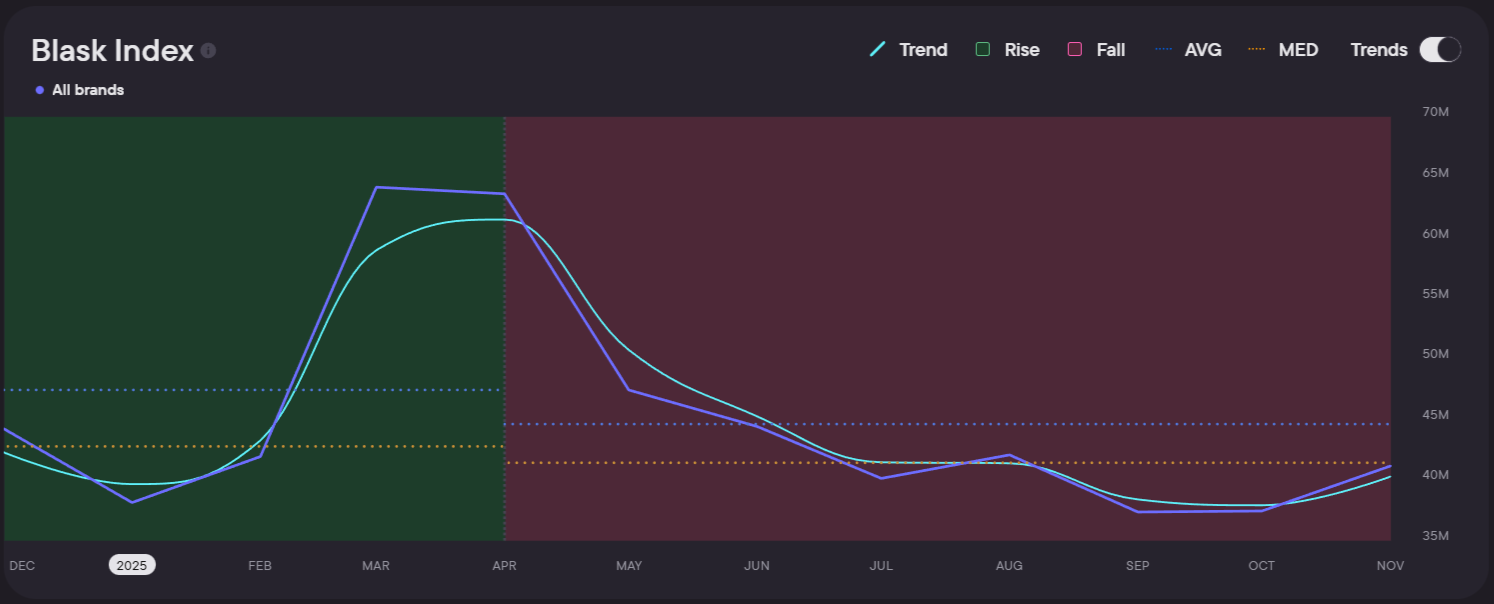
Main conclusion: The country has many brands and experiences seasonal surges, but regulatory and fiscal constraints limit revenue growth. Success depends on localization, such as featuring cricket in funnels, local payment options, an emphasis on Hindi, as well as on flexibility in regulatory compliance.
The Phillippines
Overview:
- Total operators: 205 (as of December 2025)
- APS: 11.05 million
- CEB: $2.28 billion
- Gambling status: regulated
As of late 2024, the Philippines had two regulators: POGO and PAGCOR. The first served as the oversight body for offshore brands, while the latter was the primary regulatory authority issuing local licenses. Over time, POGO became involved in multiple controversies, which eventually led to the offshore regulator’s dissolution.
In April, PAGCOR determined that the country’s gambling industry reached a record gross revenue of €6.15 billion.
Main conclusion: After offshore operations were banned, growth has concentrated around legal online operators. Currently, the brands PlayTime and Casino Plus lead the country.
Bangladesh
Overview:
- Total operators: 164 (as of December 2025)
- APS: 26.7 million
- CEB: $2.19 billion
- Gambling status: non-regulated
Local authorities regularly restrict access to online gambling and bookmakers. Since October 2025, platforms that advertise gambling can be blocked without warning.
Main conclusion: The local market offers steady demand but high churn and significant risks due to regulatory requirements. Frequent website blockages require operators to rapidly switch brands, build resilient funnels, and diversify their channels.
Singapore
Overview:
- Total operators: 69 (as of December 2025)
- APS: 1.64 million
- CEB: $1.23 billion
- Gambling status: regulated
The existing framework restricts access and blocks payments for online gambling. Singapore Pools is the only legal operator for lotteries and sports betting, controlling over 90% of the market. The remaining 10% is split between foreign brands, such as:
- GemBet
- 1xBet
- BK8
- Stake
Main conclusion: The country has a highly regulated, near-monopoly environment with limited opportunities for competitors. Blocks and financial limitations constrain user acquisition. The focus here should be on trust, payouts, and retention, rather than on a broad audience.
South Korea
Overview:
- Total operators: 90 (as of December 2025)
- APS: 0.77 million
- CEB: $0.91 billion
- Sports betting status: regulated
Betman handles legal betting. Most other forms of online gambling remain illegal.
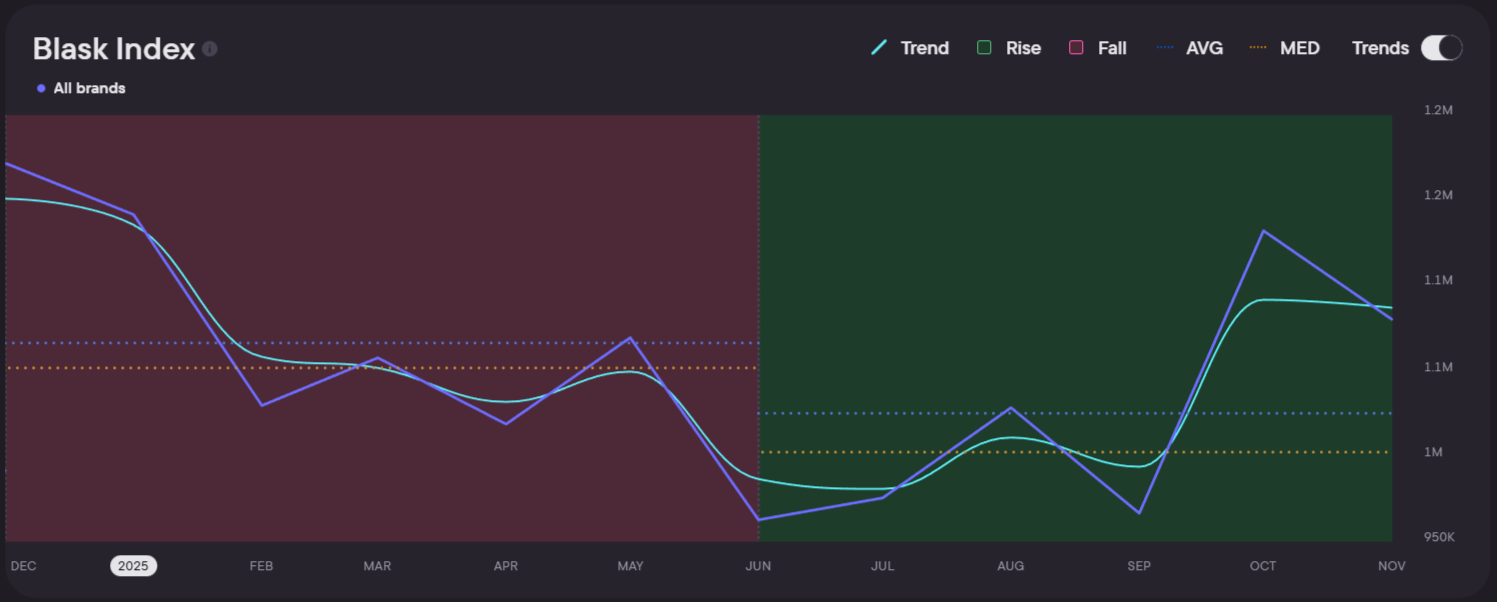
Main conclusion: The seasonality of the sports calendar drives noticeable fluctuations in interest, while strict enforcement intensifies volatility in the offshore segment. Licensees must strictly comply with Sports Toto’s regulations, whereas offshore brands require shorter creative cycles and rapid channel rotation.
Conclusion
The gambling market continues to evolve even in parts of Asia where it is entirely prohibited, which is in most of the region. The Philippines remains the only country with open regulation and a competitive environment. Bangladesh, Nepal, and the Maldives demonstrate the highest growth rates in player interest. At the same time, Indonesia, Thailand, and Vietnam lead in total revenue, despite having different numbers of brands.
The keys to success for operators in Asia are:
- Response speed
- Resilient funnels
- Handling blocks
Even fierce restrictions do not prevent the influx of new audiences. For instance, Vietnam, India, and Bangladesh demonstrate active user base growth despite radical laws and zero-tolerance policies toward iGaming.